Watercolor Animal Clipart: A Guide for Creative Projects
There's a distinct warmth and organic quality that digital projects often miss. We see so many perfect vector lines and flawless gradients that a touch of human imperfection feels refreshing. This is precisely the appeal of Watercolor Animal Clipart. It’s not just a collection of images; it’s a set of design assets that carry the texture of real paint, the subtle bleed of color, and a handcrafted personality that sterile digital graphics can’t replicate. For designers, entrepreneurs, and creators, this style of clipart bridges the gap between digital efficiency and artisanal charm, offering a versatile tool for projects that need to feel personal, approachable, and visually engaging.
The Visual Character of Watercolor Clipart
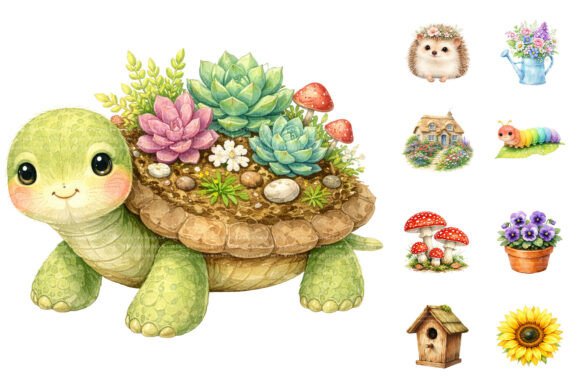
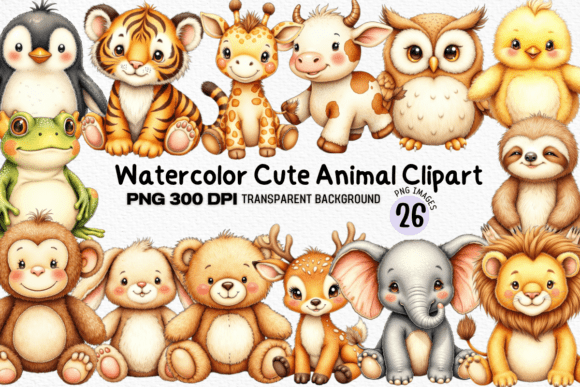
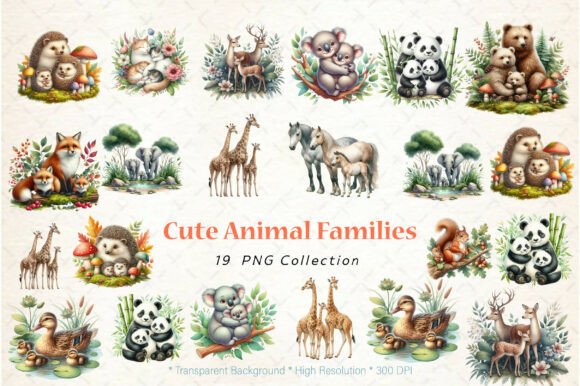
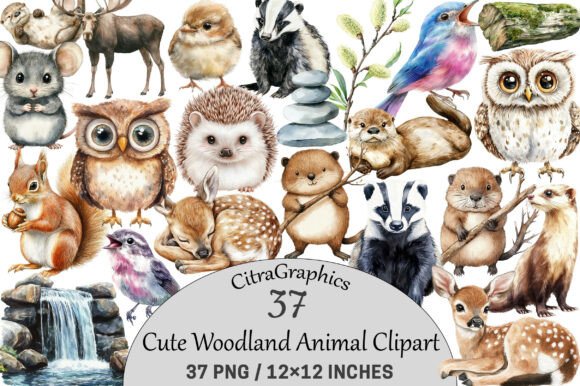
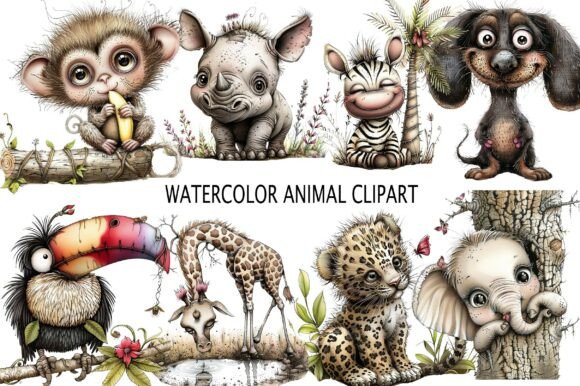
What makes this clipart style stand out is its inherent texture and fluidity. Unlike a flat vector illustration, a watercolor animal image has visible brushstrokes, subtle color variations within a single area, and soft, sometimes undefined edges. This gives each piece a sense of depth and authenticity. The personality it conveys is gentle, whimsical, and often nostalgic. It feels less like a corporate asset and more like a page torn from a nature journal or a child’s storybook. This visual style immediately sets a tone—it’s creative, heartfelt, and full of character.
The overall appeal lies in its versatility within a specific aesthetic. It excels in projects aiming for a handmade feel, artistic flair, or gentle sophistication. It’s a far cry from the bold, clean lines of a modern sans serif font or the structured elegance of a serif font. Instead, it occupies its own niche, perfect for when your brand identity needs to communicate creativity, warmth, and a connection to nature or artistry. Think of it as a creative font for imagery—it adds a layer of personality that standard stock photos lack.
Where Watercolor Animals Make Their Mark
The applications for this type of design asset are incredibly broad, spanning both personal and commercial realms. Its strength is in projects where visual storytelling and emotional connection are key.
- Branding & Marketing: For small businesses, especially in handmade goods, organic products, children’s brands, or wellness spaces, watercolor animal clipart can become a cornerstone of logo design and packaging design. It helps build a brand identity that feels authentic and story-driven. Use it on business cards, website banners, or social media graphics to create a consistent, approachable aesthetic.
- Publishing & Editorial: In editorial design, these assets shine. They’re perfect for magazine features on nature, parenting, or crafts. Children’s book illustrators and self-publishing authors can use them for covers, chapter headings, or decorative elements, adding a professional yet whimsical touch without the cost of a full custom illustration.
- Digital & Web Design: Beyond static images, watercolor clipart enhances web design by adding visual interest to headers, icons, or background patterns. They make social media graphics more engaging and are ideal for creating unique digital products like planners, invitations, or educational materials.
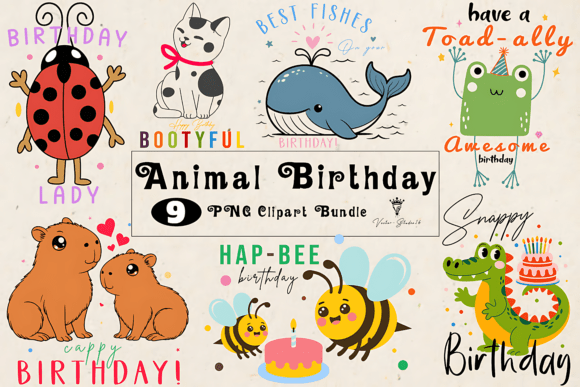
- Physical Products & Crafts: This is where the clipart truly comes to life. It’s perfect for print-on-demand items like t-shirts, tote bags, and mugs. Crafters use it for stickers, stationery, and party decor. The high-resolution PNG format ensures crisp prints for everything from wall art to embroidery designs, making it a staple for hobbyists and small business owners alike.
Making the Most of Your Design Assets
Choosing the right clipart is only the first step. Using it effectively requires a bit of strategic thinking to ensure it elevates rather than overwhelms your project.
Evaluating Fit and Pairing
Before you commit, ask if the clipart’s style aligns with your project’s voice. A playful fox might suit a children’s brand but could feel out of place on a law firm’s website. Once you’ve chosen, consider font pairing. Watercolor imagery pairs beautifully with clean, simple typefaces. A handwritten font can complement the artistic feel, while a clean sans serif font provides balance and ensures your text remains highly readable against the textured background. The goal is visual hierarchy—the clipart should support your message, not compete with it.
Practical Considerations for Use
Always check the included file formats and licensing. A set with multiple PNG files at 300 DPI is a professional standard, ensuring quality for both digital and print uses. Understand the commercial license—can you use it on products for sale? Are there limitations? This is crucial for entrepreneurs and content creators building a business.
Test the clipart in context. Place it on your mockup t-shirt design or within your website layout. Does it maintain its charm at the size you need? Is the color palette versatile enough for your other design assets? Sometimes, a single animal illustration can become the defining visual element of a campaign, while other times it works best as a subtle accent.
Ultimately, Watercolor Animal Clipart is more than just pretty pictures. It’s a tool for adding depth, emotion, and a human touch to your creative work. By selecting pieces that resonate with your brand’s story and applying them thoughtfully, you can create designs that don’t just capture attention but also build a genuine connection with your audience. It’s about using these assets to tell a better, more beautiful story.